
Article: How to Repair a Damaged Skin Barrier
How to Repair a Damaged Skin Barrier
A compromised skin barrier is one of the most common concerns I see in clinic, and one of the most misunderstood.
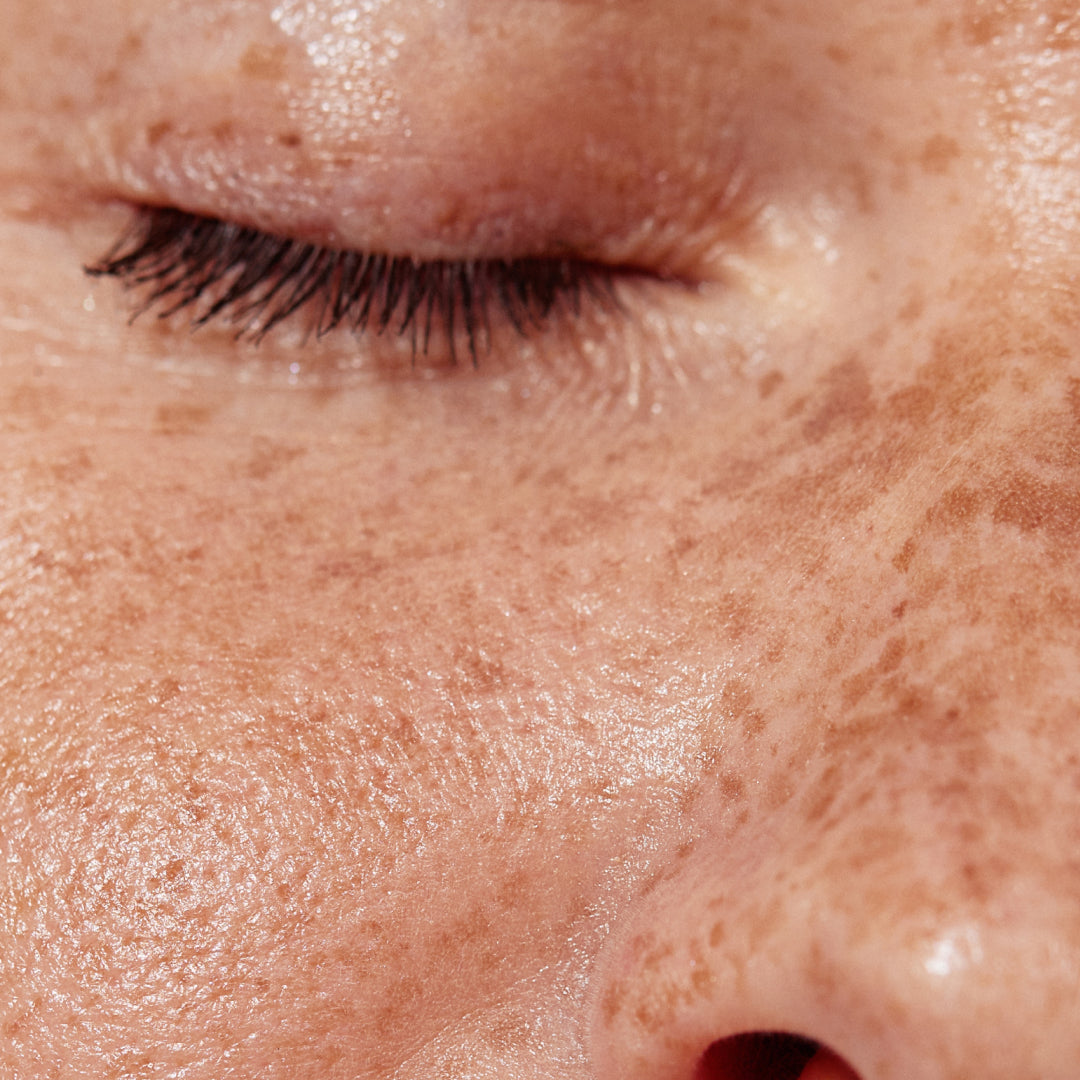
It can present in different ways. You may notice increased sensitivity, dryness, dehydration, dullness, redness or products that suddenly sting when they never did before.
The good news is that, in most cases, skin barrier damage is recoverable. The key is understanding what has disrupted it and giving the skin the right conditions to repair.
My approach is simple: repair before you treat.
What is the skin barrier?
The skin barrier is the outermost layer of the epidermis, called the stratum corneum.
I often describe it using a brick-and-mortar analogy. The “bricks” are flattened skin cells called corneocytes, while the “mortar” is a lipid matrix made up of ceramides, cholesterol and fatty acids.
This structure helps keep water in the skin and irritants out.
When the barrier becomes disrupted, the skin loses water more easily- known as transepidermal water loss, or TEWL- while becoming more permeable to potential irritants. This is why a damaged barrier can leave skin feeling tight, dry, reactive and uncomfortable.
What causes a damaged skin barrier?
Barrier damage is often caused by a combination of factors rather than one single product.
Common triggers include:
- Over-cleansing
- Harsh or foaming cleansers
- Excessive exfoliation
- Introducing too many active ingredients at once
- Using Retinoids too frequently
- Hot water and steam
- UV exposure
- Cold weather, central heating and air conditioning
- Chlorinated pools and salt water
Age and hormonal changes can also play a role, as natural lipid production declines over time.
Underlying skin conditions such as eczema and rosacea may also mean the barrier is already more vulnerable.
How do you know if your skin barrier is damaged?
You are likely dealing with barrier disruption if you notice several of the following:
- Tightness after cleansing
- Dryness or flaking
- Redness or warmth
- Increased sensitivity
- Dull or uneven-looking skin
- Itching
- Products suddenly stinging or burning
- Breakouts when you are not normally acne-prone
One of the most useful clues is when a familiar product suddenly becomes uncomfortable.
Dr Anita’s clinical tip
If a product you have used happily for months suddenly stings, the answer is not necessarily to find another active ingredient.
It can be a sign that the barrier has become more permeable.
The correct response is usually fewer actives, not a different active.
How to repair your skin barrier
Barrier repair follows a sequence. The most common mistake is trying to treat pigmentation, texture or fine lines before the skin has recovered.
1. Cleanse gently
Cleansing is one of the first places I look when someone presents with dry, dehydrated or reactive skin.
The purpose of cleansing is to remove make-up, sunscreen and impurities without stripping the skin.
Use lukewarm rather than hot water, avoid scrubbing and stay away from anything that leaves the skin feeling squeaky or tight.
In the morning, I recommend Light Cleanse to refresh the skin without overwhelming it.
If the skin is particularly sensitive, simplify your cleansing routine until it settles.
2. Pause strong active ingredients
Retinoids and exfoliating acids are valuable ingredients, but not while the barrier is significantly compromised.
For the first one to two weeks, I recommend pausing strong Retinoids, additional acids, scrubs and at-home devices.
This is a pause, not an abandonment.
Once the skin is calm and comfortable again, they can be reintroduced gradually.
3. Restore hydration
A compromised barrier loses water more easily, so hydration becomes a priority.
Humectants such as Glycerin and Hyaluronic Acid help attract water into the skin.
After cleansing, apply Preparatory Mist and follow with moisturiser while the skin is still slightly damp.
Hydration gives the skin water. Your moisturiser then helps keep it there.
4. Rebuild with moisturiser
One of the biggest misconceptions in skincare is that moisturisers simply add moisture.
Their most important role is helping restore the integrity of the skin barrier.
Think back to the brick-and-mortar analogy. A good moisturiser helps support the “mortar” between the skin cells, reducing water loss and improving comfort while the skin recovers.
For normal, combination or mildly compromised skin, I recommend Peptide Emollient Veil.
For drier, mature or more significantly compromised skin, Peptide Emollient Veil+ provides richer support.
Your moisturiser is not an optional step during barrier repair.
Think of it as replacing the mortar between the bricks.
5. Protect the skin while it heals
While your barrier is repairing, avoid repeatedly challenging it.
That means temporarily stepping away from:
- Scrubs and exfoliating acids
- Cleansing brushes
- Hot showers, steam rooms and saunas
- Strong foaming cleansers
- Multiple new products
- Picking or peeling flaky skin
- Professional peels, laser or needling until the skin has recovered
Daily broad-spectrum SPF is also important, as UV exposure can further stress an already compromised barrier.
What ingredients support skin barrier repair?
I generally look for three types of ingredients working together.
Humectants attract water into the skin. Examples include Glycerin, Hyaluronic Acid and Panthenol.
Emollients smooth and replenish the spaces between skin cells. Useful ingredients include Ceramides, Cholesterol, fatty acids and Squalane.
Occlusives help slow water loss from the surface.
The important point is that there is no single “miracle” barrier ingredient. Good formulations combine hydration, lipid support and protection.
Can oily skin have a damaged skin barrier?
Yes.
Oil and water are not the same thing.
Oily skin can still be dehydrated and barrier-compromised. Skipping moisturiser altogether can leave the skin feeling even more unbalanced.
The answer is to choose a lighter formulation rather than removing moisturiser from the routine completely.
How long does skin barrier repair take?
The barrier is a living structure and is continuously being renewed.
For many people, meaningful improvement can be seen within two to four weeks once the source of irritation is removed and the skin is supported properly.
More significant disruption, underlying skin conditions or continued environmental stress may take longer.
This is why consistency matters.
Changing products every few days makes it difficult for the skin to recover and for you to understand what is actually helping.
When can you reintroduce Retinoids and acids?
Once the skin feels comfortable again- with no persistent stinging, flaking or unusual redness- you can begin rebuilding your treatment routine.
I recommend adding one product back at a time and allowing around a week between additions.
Start with your morning antioxidant serum, then gradually reintroduce your evening Retinoid.
If you use Decree, this means bringing Treat Tincture back gradually before returning to stronger weekly exfoliation.
The strongest active is not always the most effective.
The best treatment is the one your skin can tolerate consistently.
Dr Anita’s Skin Barrier Reset
If your skin feels irritated, reactive or overwhelmed, simplify your routine for one to two weeks.
Morning
- Light Cleanse
- Preparatory Mist
- Peptide Emollient Veil or Peptide Emollient Veil+
- Broad-spectrum SPF
Evening
- Gently remove make-up and sunscreen
- Cleanse without stripping the skin
- Preparatory Mist
- Peptide Emollient Veil+ if the skin feels dry or compromised
Keep it simple until the skin feels calm, comfortable and hydrated again.
Repair before you treat
When the skin barrier is compromised, the instinct is often to add more. In reality, the opposite is usually more effective. Cleanse gently. Restore hydration. Moisturise properly. Protect the skin. Then give it time.Once the barrier is healthy, the rest of your routine becomes easier to tolerate and more effective.
Repair before you treat. Barrier first, always.